
A slogan can give a business a recognisable expression of what it offers. Its effect may depend on rhythm, an unexpected connection or a few words that work particularly well alongside the brand name.
When that slogan needs an English version, you may receive several proposals that sound convincing for different reasons. One follows the German closely. Another introduces a new image. A third captures the personality of your business but leaves part of the original message implicit.
Choosing between them calls for more than a preference for particular words. Effective slogan translation involves considering what each option communicates, how it sounds and whether it fits the brand and the setting in which customers will encounter it.
What Should Slogan Translation Preserve?
The first question is what makes the German slogan worth carrying into English.
Perhaps it expresses a particular benefit, captures an attitude or connects the business with an experience customers value. Its rhyme or wordplay may help convey that idea, but the same device might be difficult to reproduce naturally in English.
A close translation can sometimes work well. Where it communicates the intended idea with an appropriate voice and rhythm, there is no need to depart from it simply to demonstrate creativity.
Other slogans benefit from a different approach. A translator might replace a contrast with an invitation, introduce a new association or build the line around another aspect of the proposition. This moves into transcreation: developing creative wording in another language, guided by the purpose and agreed brief.
The freedom to create something new comes with responsibility for what that wording suggests. An attractive English line could introduce a promise the business cannot support or give the brand a personality it does not want.
What Does the Translator Need to Know?
A slogan is easier to assess when the translator understands the business behind it. Useful information includes:
- The proposition: What should customers understand or associate with the business?
- The audience: Who will encounter the English slogan, and what do they already know?
- The voice: Should the line feel understated, playful, bold or something else?
- The placement: Will it appear beneath a logo, on packaging, in an advertisement or across several settings?
- The surrounding material: Which images and supporting words will appear with it?
- The creative scope: Which ideas are essential, and what can change?
Practical constraints matter too. A slogan needs room to work in its intended design. Character counts can help define a limit, but the actual typeface, line breaks and screen size also affect how it reads.
ITI’s guide to transcreation similarly identifies the audience, voice, format and accompanying imagery among the information a creative brief should establish.
My translation brief template provides a starting point for recording project information. A slogan commission may also benefit from a focused conversation about the original line and what the English needs to achieve.
Example: Exploring English Slogans for a Lakeside Hotel
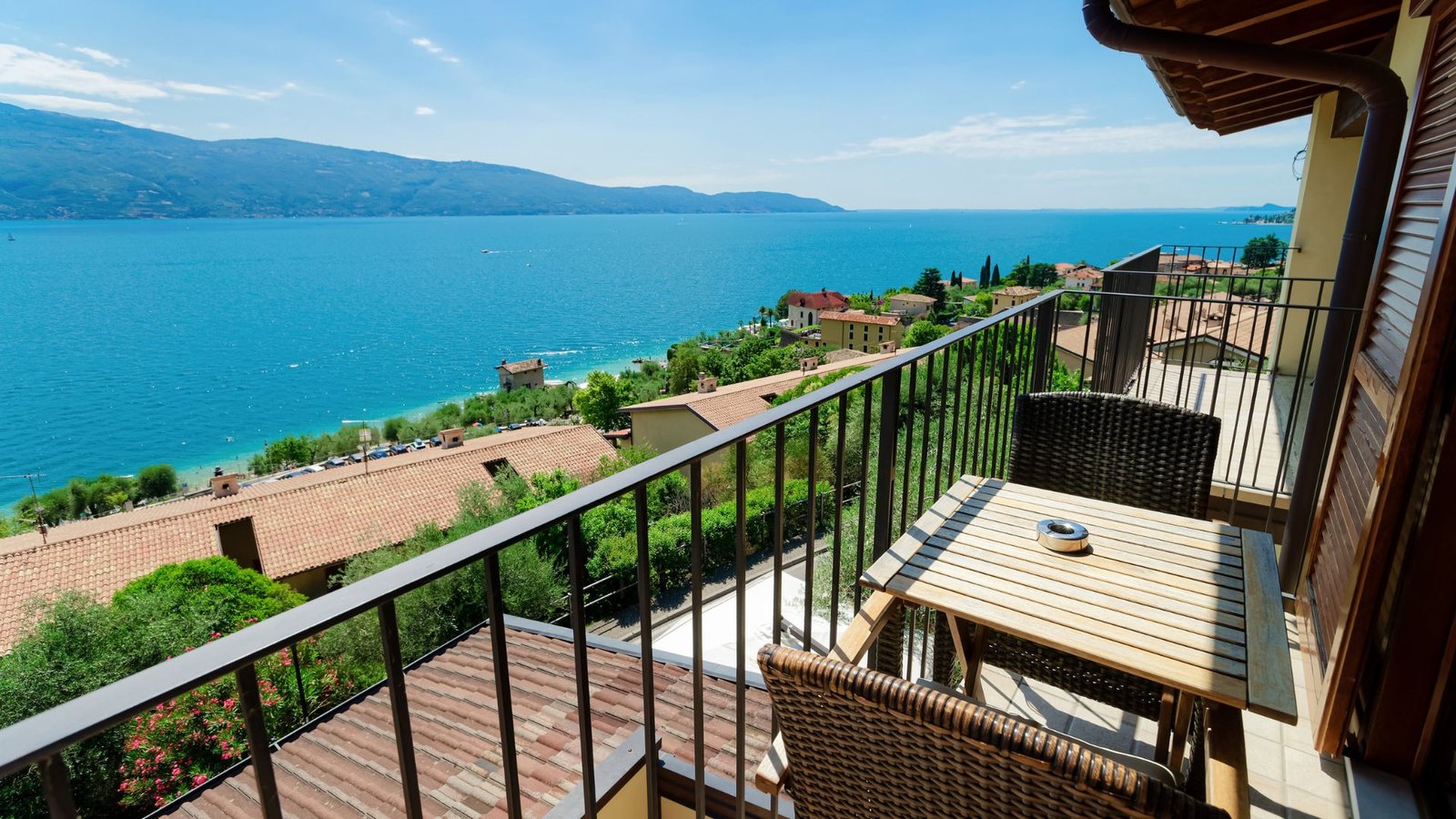
Consider a fictional independent hotel beside a lake, with walking routes accessible from its grounds.
The hotel offers a comfortable base for guests who want to explore, rest or combine the two. Its intended readers are English-speaking adults considering a leisure stay. The voice is warm, understated and confident.
The slogan will appear beneath the hotel’s name on its homepage, beside a photograph of the lakeside terrace and surrounding landscape. Supporting copy explains the location and facilities.
The German slogan is:
Draußen aufleben. Drinnen ankommen.
The approximate sense is renewed energy outdoors and a feeling of being at home indoors. Here, ankommen carries an emotional sense beyond physically arriving.
The brief permits creative adaptation. The English should preserve the balance between outdoor experiences and unwinding, while avoiding the impression of an adventure-sports hotel or a retreat offering structured wellbeing programmes.
The following options are constructed for this example. They represent different possible responses to that brief.
| English Option | Main Emphasis |
| Come alive outside. Settle in inside. | Energy outdoors and a welcoming place to return to. |
| A little adventure, at your leisure. | Exploration without pressure. |
| For the restless. And the restful. | Different preferences or moods within one stay. |
| A change of scene, without the rush. | Escape and an unhurried experience. |
| The scenic route is yours to take. | Landscape and freedom to explore. |
Staying Close to the German
Come alive outside. Settle in inside.
This version retains the original contrast and gives the two sentences a balanced shape. The repeated sounds in outside and inside reinforce their connection, while the different verbs give each half its own movement.
Come alive suggests renewed energy. Settle in conveys becoming comfortable in the hotel, preserving something of the emotional meaning of ankommen.
It is a credible option in its own right. The brief does not require the English to move further from the source.
Its explicit outdoor/indoor division also deserves consideration. Like the German, this version associates being outdoors with renewed energy and being indoors with comfort. The more creative alternatives can explore other ways of expressing the balance between activity and rest.
Bringing Exploration and Leisure Together
A little adventure, at your leisure.
This option replaces the spatial contrast with a relationship between two experiences.
Adventure brings curiosity and the possibility of discovering somewhere new. It can describe experiences of different scales; a little makes the invitation feel manageable, while at your leisure reinforces the absence of pressure.
Together, those choices suit a hotel offering walking and gentle exploration. The associations of adventure still need to be considered against the actual offer, but it does not automatically imply strenuous activities or organised adventure sports.
The repeated “l” sounds in little and leisure help connect the phrase. There is also a pleasing interplay between the energy of adventure and the unhurried quality of leisure.
The hotel’s comfort is less explicit than in the close version. However, the line accommodates both activity and rest, with the terrace image and supporting copy helping establish the setting.
Giving the Contrast More Personality
For the restless. And the restful.
The similar sounds and contrasting meanings make this option compact and memorable. It can address different guests or the same person wanting different things on different days.
The second fragment adds a small turn: the invitation extends to those who would rather take things slowly.
The question is whether restless carries the right associations. It can suggest energy and eagerness to explore, but also unease or difficulty relaxing. That does not make the option unusable. It gives the client a specific point to consider alongside its playful character.
Emphasising an Unhurried Escape
A change of scene, without the rush.
This version presents the stay as a welcome departure from everyday surroundings, with no pressure to fill the day.
It fits the understated voice and allows for both exploration and rest. Outdoor activity is less prominent, though the landscape image would help establish that possibility.
Its broader applicability is a consideration. Many hotels could offer a change of scene without a rush. The line would need to feel convincing as part of this hotel’s presentation, rather than being expected to establish its identity alone.
Making Exploration an Open Invitation
The scenic route is yours to take.
This option gives the landscape a central role and addresses the guest’s freedom to explore it.
The scenic route connects naturally with walking and the pleasure of taking time to enjoy the surroundings. Yours to take offers a possibility without prescribing an itinerary.
The balance shifts towards getting outdoors. Comfort and rest would need stronger expression elsewhere on the homepage. The line remains a worthwhile creative direction, but that shift should be discussed rather than overlooked.
Which Option Best Fits the Brief?
Under this brief, I would recommend:
A little adventure, at your leisure.
It combines exploration with an unhurried experience in a single thought. Its sound gives it character, while its invitation remains gentle enough for the hotel’s voice.
The way the phrase balances adventure with an unhurried experience is central to this recommendation. Reading adventure alone would miss how a little and at your leisure shape its meaning.
Another brief could lead to another choice. A hotel particularly keen to express the feeling of returning to a comfortable base might favour Come alive outside. Settle in inside. A more playful brand might welcome the character of For the restless. And the restful.
The comparison helps the client assess what each option offers and explain their preferences, without presenting one slogan as universally best.
How Should You Review Proposed Slogans?
Personal preference belongs in the discussion. It becomes more useful when you explain what prompts it.
You might feel that a line sounds too energetic for your guests, makes the hotel seem more formal than it is or leaves an important part of the offer unclear. Those observations give the translator something concrete to develop.
Review the strongest options in the intended design, alongside the actual image and supporting copy. A line that works in a proposal document may feel different beneath the hotel’s name or when broken across two lines on a phone.
Audience testing can also help investigate how people interpret a shortlist. It should address a defined question, such as what kind of stay a slogan suggests. An editorial recommendation alone cannot establish which option will generate more bookings.
Agreeing the Final English Slogan
Once a direction is selected, further refinement may improve its rhythm or fit. The agreed wording should then be approved for its intended uses. A line developed for a homepage may need another assessment before appearing alone on a poster or beneath a logo.
Any required checks concerning existing slogans, trademarks or legal availability should also be agreed separately. Linguistic assessment does not establish that a line is unique or available to use.
If you are developing an English slogan for your business, get in touch to discuss your project. We can explore what the German communicates and develop English options that give you a considered basis for choosing.