

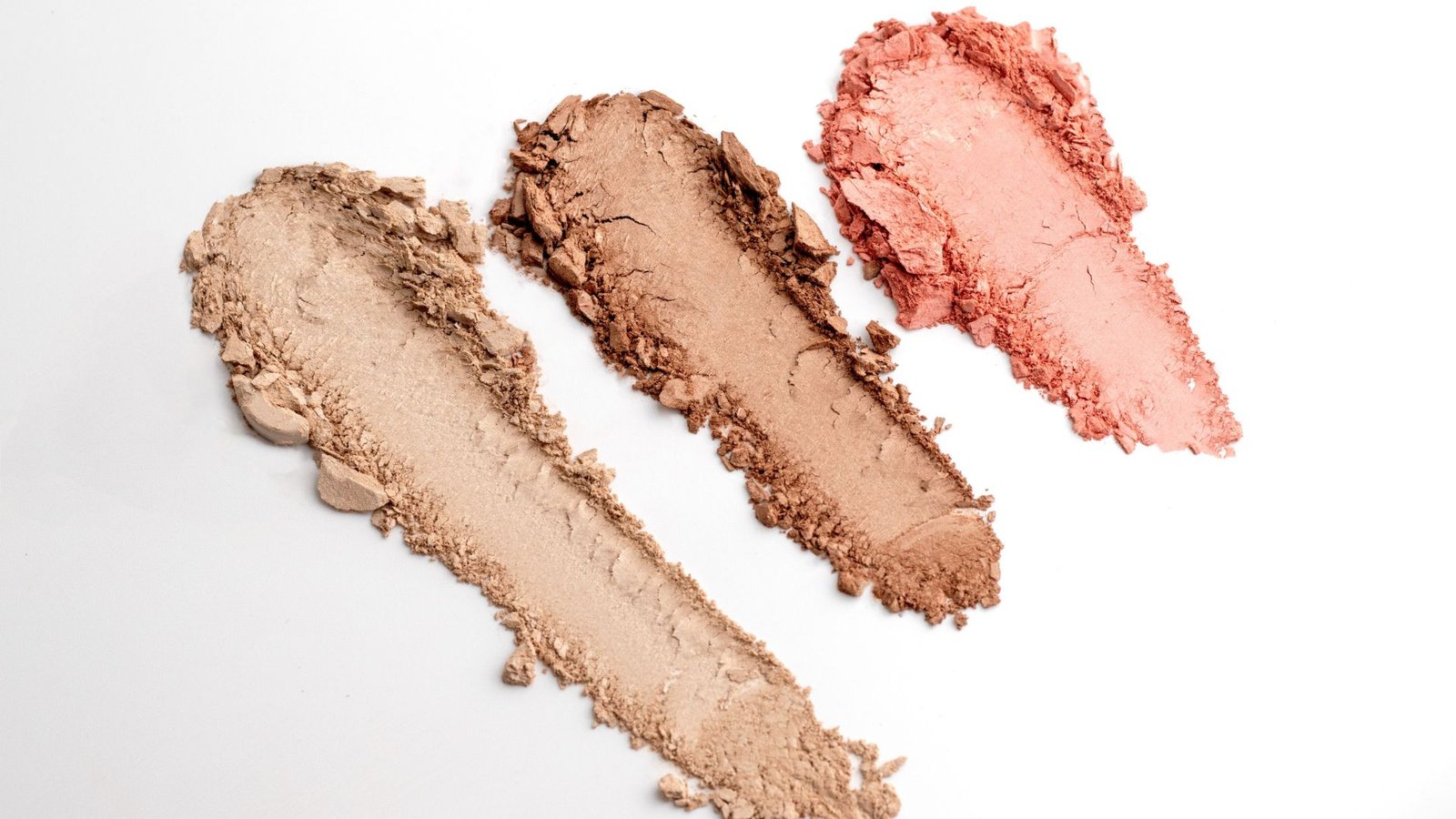
A customer browsing your blush range sees three names inspired by a garden. One suggests peaches, another roses, a third a berry harvest. The names give the collection character, but they leave some practical questions open.
Which shade is the lightest? Is the rose colour muted or bright? Does the berry shade have a matte finish or a shimmer one?
When translating cosmetics shade names, it helps to distinguish the name’s role from the information surrounding it. A commercial name can create an association, while a colour description helps customers understand the shade. A code identifies the particular option on the product page and its packaging.
The English needs to respect those relationships. That starts with agreeing which elements should remain unchanged and where adaptation is welcome.
What Does a Cosmetics Shade Name Communicate?
A shade name may describe a colour directly, introduce a playful association or belong to a concept running through the range.
Those approaches leave different work for the accompanying description. A name such as “Peach” gives a broad colour indication. A name referring to a garden or a particular moment may evoke more atmosphere while leaving the precise shade open.
Neither approach removes the need for useful product information.
The code has a different purpose again. If a customer selects shade 02 online, the name and description should remain attached to the correct product throughout the purchase.
Swatches and photographs contribute visual information. The wording can complement them by identifying colour qualities and finish, without promising exactly how the product will appear on every wearer.
Should Shade Names Be Translated?
Retaining Established Names
A brand may use the same shade names across markets, particularly when they already appear on packaging or form part of an established collection.
In that situation, translating the description while retaining the name can give English-speaking customers useful information without introducing a second product identity.
The decision should come from the brief. A translator should not assume that every German phrase is available for translation simply because it appears in the source file.
Adapting Names for an English Range
Another project may allow English names, perhaps as part of a new launch or packaging update.
Here, the translator can examine how the names work individually and as a collection. A close translation might preserve an appealing image. Another expression may need more development to achieve a similar effect in English.
That work needs an agreed scope. It may involve alternatives, explanations and approval before the selected names are used.
The useful question is what the brand wants the English names to communicate and where customers will encounter them.
Example: Preparing a Blush Range for English-Speaking Customers
Consider a fictional German cosmetics brand preparing an English product page for a powder blush available in three shades.
Its voice is understated, and the names draw on experiences and discoveries in a garden. The approved German product information is:
| Code | Shade Name | German Description |
| 01 | Pfirsichgarten | Helles Pfirsichrosa mit mattem Finish. |
| 02 | Rosenpause | Gedämpftes Rosenholz mit mattem Finish. |
| 03 | Beerenlese | Kräftiger Beerenton mit feinem Schimmer. |
For this constructed example, the client confirms that the codes and German shade names will remain unchanged across markets. They already appear on the packaging.
The descriptions should be translated into natural British English. Colour and finish information comes from approved product references, and the translator can query uncertainty but cannot independently rename the shades or add attributes.
These are fictional names and descriptions, rather than client materials or observed AI outputs.
Retaining the Name and Explaining the Shade
A possible English presentation would be:
| Code | Retained Shade Name | Suggested English Description |
| 01 | Pfirsichgarten | Light peachy pink with a matte finish. |
| 02 | Rosenpause | Muted rosewood with a matte finish. |
| 03 | Beerenlese | Rich berry with a fine shimmer. |
“Pfirsichgarten” suggests peaches and a garden setting. Its English description supplies more specific information: the shade is a light peachy pink, and the finish is matte.
Translating the name as “Peach Garden” would explain its meaning to English readers. It would not, by itself, establish those product qualities.
Because the packaging will retain the German names, using them on the English page avoids introducing a second set of shade names for customers to connect with the originals. The description makes the colour more accessible without creating an alternative name.
Choosing Colour Language in Context
“Muted” conveys that the rosewood colour is subdued rather than bright. It helps distinguish shade 02 from a more vivid rose shade.
“Rosewood” is a proposed rendering of Rosenholz for this fictional product. The translator would assess it against the brand’s approved references and existing English terminology. A familiar beauty term should not be accepted solely because it sounds suitable.
If the intended colour remained uncertain, a query could ask the client to confirm the proposed description or provide a more precise reference. A photograph may help the discussion, but the translator should not infer an exact undertone from an image alone.
The English is describing a particular shade, rather than assigning it to a universally fixed colour category.
Keeping Colour and Finish Distinct
The third description combines a berry colour with a fine shimmer.
“Rich” conveys colour character here. It should not be taken to mean that the formula provides opaque coverage or intense colour in one application. Those would be separate product attributes requiring confirmation.
A matte finish may lead customers to expect longer wear or a less creamy feel, but the blush’s actual wear time and texture still need to be established from the product information.
Keeping those distinctions clear helps prevent descriptive language from acquiring additional performance promises.
When Could Adapting the Names Be Appropriate?
Now suppose the brand commissions a future version with English shade names and updated packaging. The brief allows creative adaptation while retaining the garden concept.
Possible directions might be:
| German Name | Possible English Name |
| Pfirsichgarten | Peach Garden |
| Rosenpause | Among the Roses |
| Beerenlese | Berry Harvest |
These are naming proposals for discussion, rather than corrections to the retained-name version.
Developing alternatives around an agreed naming concept is an example of transcreation – creative adaptation that allows wording to be reworked around the intended message and effect. My article on creative translation explores how the brief guides that freedom.
“Peach Garden” and “Berry Harvest” stay close to the German images. “Among the Roses” takes a freer approach: it replaces the idea of a pause with a sense of being surrounded by roses.
That change may suit the collection, but the client should understand what has shifted. If the moment of rest is important to the German concept, another proposal would be needed.
The names also deserve reading together. Do they feel like parts of the same collection? Does one sound noticeably more playful or elaborate? Are they suitable for the available space and the brand’s way of addressing customers?
Once a choice is approved, the naming record should connect each English name to its original name and fixed code. Any related packaging and product content then needs the agreed version.
How Do You Keep Shade Descriptions Useful Across a Range?
Descriptions become more useful when they give customers a reasonable basis for comparison.
In our example, each identifies a colour and finish. The wording also preserves distinctions within the colours: light peachy pink, muted rosewood and rich berry.
Consistency does not require every shade to have the same number of adjectives. It requires comparable attention to the information customers need.
If one description says only “beautiful rose” while the others explain their colour and finish, the reader has less information about that option. The translator can identify the gap and ask whether further approved detail is available.
Range-wide review also helps catch accidental variation. Using different words for the same confirmed finish may suggest a distinction the brand does not intend. Conversely, making every description sound similar can obscure genuine differences.
What Should You Give Your Translator?
Alongside the German copy, useful materials include:
- The naming policy: which names remain fixed and whether English alternatives are wanted.
- The shade list and codes: showing the approved relationship between each identifier and description.
- Product references: confirmed colour, finish and any other attributes included in the copy.
- Existing English terminology: approved descriptions from the range or related collections.
- The publication context: packaging, product selectors, retailer listings and any relevant space constraints.
Questions can be raised during the work. The brief provides a basis for recognising which decisions are already settled and which need discussion.
My guide to cosmetics translation explores the wider relationship between product knowledge, descriptive language and brand voice.
Before publication, review the English in its intended setting. Check that the selected code, displayed name, description and image correspond to the same shade. Read the descriptions together as well as individually.
If you’re preparing a cosmetics range for English-speaking customers, get in touch to discuss your product content. We can explore which names should remain, where adaptation would be useful and how the descriptions can help readers distinguish the shades.