



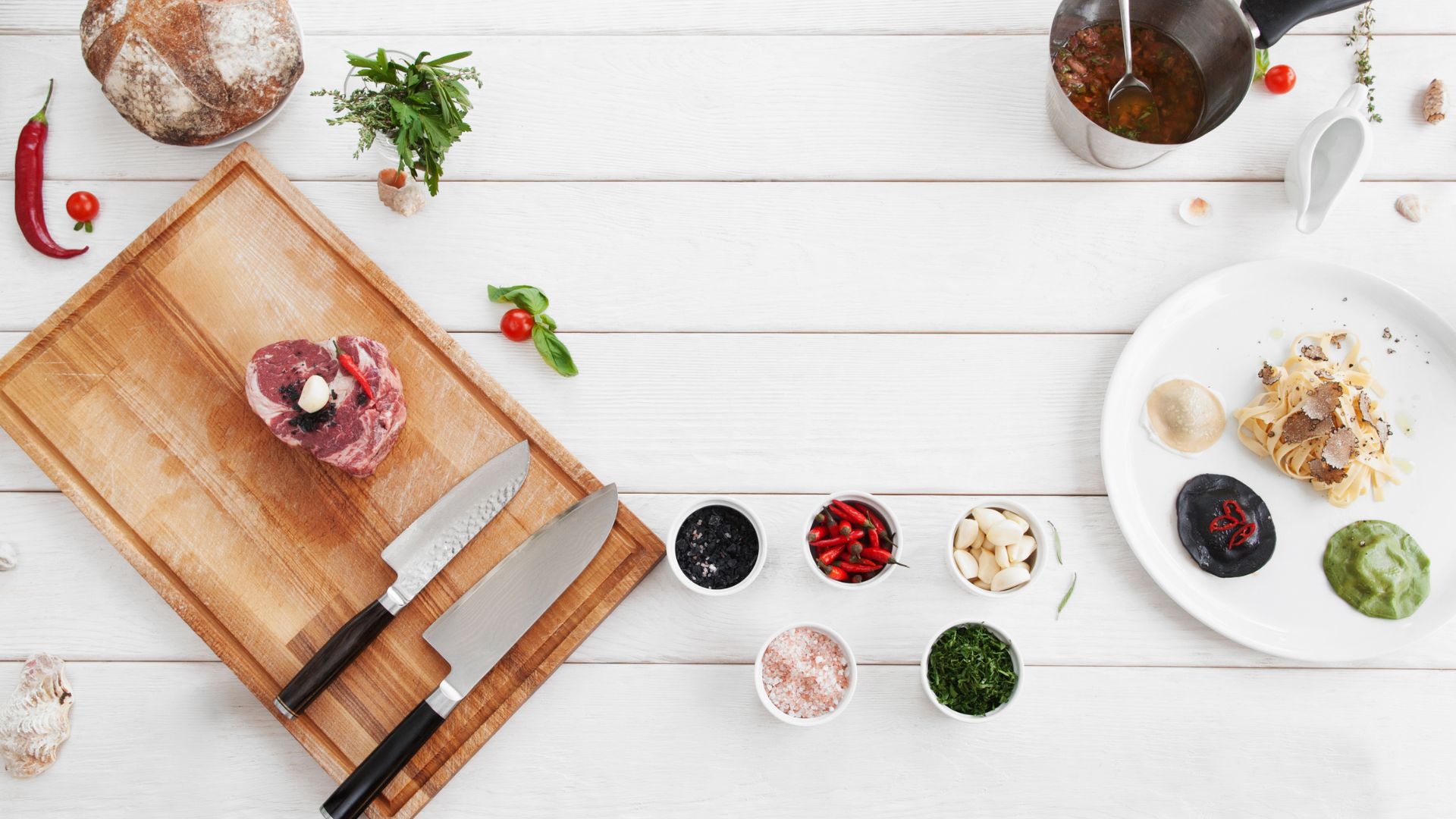
Food & Drink Translation: Making Content Sound Appetising in English
Food is about much more than ingredients. A customer browsing your website can’t break a piece of chocolate or taste your olive oil. They rely on the photographs and descriptions to get a sense of what you’re offering and whether they’d enjoy it. For food and drink translation, that makes the choice of words particularly
Read More
How to Choose a German-to-English Translator for Your Brand
When you commission a translation, you’re trusting someone else to make decisions about how your business sounds in English. Those decisions might shape the first page a prospective customer reads or the product description they consult before buying. A translation may be technically accurate but still fail to: Whether you’re looking for support with website
Read More
Why Your German Marketing Doesn’t Work in English (and How to Fix It)
You’ve invested in an English version of your website, checked the product information and published the copy. Yet enquiries or sales haven’t followed as you’d hoped. The content may be: Even so, readers may struggle to see why your offer is relevant to them or what makes it worth considering. The wording is one thing
Read More
Cosmetics Translation: Adapting Beauty Content for English Markets
Before a customer tries a moisturiser, its description helps them imagine how it might feel on their skin. “Rich cream” suggests a different texture from “lightweight lotion”, while the explanation of its benefits helps them decide whether it suits their needs. That’s why effective cosmetics translation involves careful decisions about both meaning and expression. The
Read More
SEO Translation vs Localisation: What’s the Difference?
The terms SEO translation and localisation are sometimes used as though they describe the same service. Both involve adapting content for international audiences. However, they address different needs: helping people find your content through search and making that content work for a particular market. Understanding the difference matters because it affects: If you’re weighing up
Read More
Tourism Translation: How to Attract International Visitors
Many tourism businesses invest in English content – from homepages and brochures to destination descriptions and booking pages. But even when a translation is technically correct, it doesn’t always give prospective visitors a compelling reason to book. A description might list every facility yet leave readers with little sense of what staying there would be
Read More
What Makes a Good Marketing Translation?
Your German marketing copy has a voice. The headlines draw readers in, the product descriptions give them reasons to buy, and the wording reflects how you want your business to be seen. When you read the English version, you should be able to recognise that character. Yet a translation can preserve every detail and still
Read More
Common Marketing Translation Mistakes Brands Make (German to English)
You’ve refined your German website, chosen the campaign wording carefully and developed a voice your customers recognise. Then you read the English version. The information is there, but the headline feels laboured and the product descriptions could belong to almost any business. Some problems are easy to spot. Others emerge only when you read the
Read More
How Much Does German to English Translation Cost?
If you’ve been researching the cost of German to English translation, you’ve probably noticed that quotes can be difficult to compare. One translator charges per word, another quotes for the whole project, and a third recommends allowing time for creative adaptation. Even when the word count is identical, the proposed work may be quite different.
Read More
Translation vs Transcreation: What’s the Difference?
A product specification and a campaign slogan might appear on the same website, but adapting them for English-speaking customers involves different decisions. The specification needs precise terminology and clearly presented information. The slogan may depend on wordplay that loses its meaning in English. Both translation and transcreation help you communicate across languages. What differs is
Read More